
Rehab and Renovation Loans in Salt Lake City, UT
Financing for property improvements, upgrades, and value-add renovations.
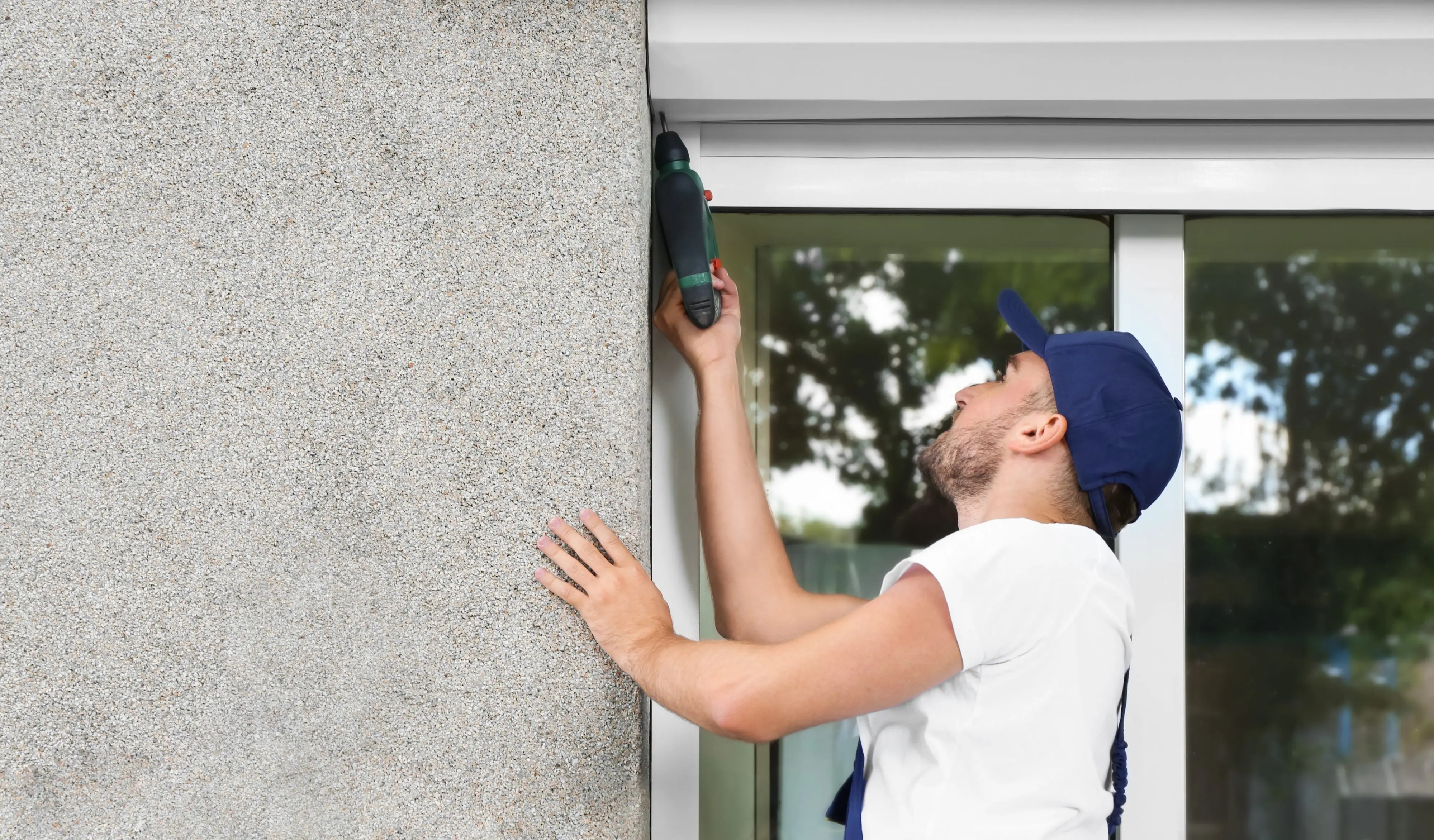
Rehab and renovation hard money loans provide Salt Lake City property owners and investors with specialized financing for improving, upgrading, and adding value to existing residential and commercial properties. These loans address the capital requirements of projects ranging from cosmetic updates and system replacements to comprehensive structural renovations and property repositioning. Unlike standard purchase loans that finance acquisition alone, rehab loans provide both acquisition capital (when needed) and construction funds for improvements, enabling investors to transform distressed or outdated properties into desirable, high-value assets.
The renovation financing needs in Salt Lake City span diverse property types and project scopes. Investors acquire fixer-upper homes in established neighborhoods like Sugar House, The Avenues, and East Bench, completing renovations that create modern living spaces while preserving architectural character. Rental property owners upgrade units to achieve market rents and reduce maintenance costs. Commercial property investors renovate retail spaces, office buildings, and industrial facilities to attract quality tenants and increase net operating income. Hard money rehab loans accommodate this variety with flexible structures that match financing to specific project requirements.
Successful renovation projects require coordination of design, permitting, contractor management, and quality control activities within defined budgets and timelines. Hard money lenders specializing in rehab financing bring expertise in evaluating renovation scopes, estimating costs, and managing construction draw processes. They understand that renovations often reveal unexpected conditions requiring budget adjustments, and structure loans with appropriate contingencies. This specialized knowledge distinguishes rehab-focused hard money lending from generic construction financing, providing investors with partners who understand the unique challenges of improving existing properties.
Applications & Uses
Value-add residential renovations represent a primary application for rehab hard money loans in Salt Lake City. Investors target properties requiring kitchen and bathroom updates, flooring replacement, system upgrades (HVAC, electrical, plumbing), and cosmetic improvements that significantly enhance market value. These projects typically span 30-90 days and generate returns through either immediate sale or increased rental income. Hard money loans finance both property acquisition and renovation costs, with draw schedules that release funds as contractors complete work. Loan structures accommodate quick project completion while providing adequate time for quality craftsmanship.
Major structural renovations and whole-house rehabs address properties with significant deferred maintenance, outdated layouts, or code compliance issues. These comprehensive projects may include foundation repairs, structural modifications, additions, complete gut renovations, and extensive mechanical system replacements. Hard money rehab loans structure financing for extended timelines, phased construction schedules, and substantial construction budgets. Properties in historic districts or established neighborhoods particularly suit this financing approach, where renovation preserves community character while creating modern living spaces. Projects in The Avenues, Capitol Hill, and other historic areas often require this level of renovation expertise.
Commercial property renovations improve retail spaces, office buildings, restaurants, industrial facilities, and mixed-use developments to meet contemporary standards and tenant expectations. These projects may include facade improvements, interior reconfigurations, energy efficiency upgrades, accessibility compliance, and technology infrastructure installation. Hard money financing accommodates the business interruption considerations, specialized contractor requirements, and code compliance complexities of commercial renovations. Loan structures can include interest reserves that cover debt service during renovation periods when tenant income may be reduced or suspended.
Rental property renovations focus on improving cash flow and reducing operating expenses through strategic upgrades. Kitchen and bathroom renovations, flooring replacement, energy-efficient window installation, and HVAC upgrades increase rental rates while reducing maintenance calls and utility costs. Hard money rehab loans for rental properties structure financing to accommodate tenant turnover schedules, completing work between lease terms to minimize vacancy periods. These value-add improvements position properties for higher valuations, enabling refinancing into long-term loans or sale to investors seeking stabilized income-producing assets.
Common Challenges
Scope creep and unexpected conditions frequently impact renovation projects, potentially derailing budgets and timelines. Opening walls often reveals plumbing issues, electrical deficiencies, structural problems, or pest damage requiring additional work. Changing design preferences during projects can lead to expensive change orders and delays. Hard money rehab loans must include adequate contingency reserves, typically 10-20% of construction budgets, to accommodate reasonable unexpected conditions. Experienced investors conduct thorough pre-purchase inspections and develop detailed scopes of work that minimize surprises during construction.
Contractor management and quality control present ongoing challenges throughout renovation projects. Securing reliable contractors, managing schedules, verifying work quality, and controlling costs require active project oversight. Contractor failures, scheduling conflicts, or workmanship issues can significantly impact project outcomes. Hard money lenders mitigate these risks by requiring licensed contractors, verifying insurance coverage, and conducting inspections before releasing draw funds. However, ultimate responsibility for contractor selection and management remains with borrowers, making construction experience and quality contractor relationships essential for renovation success.
Frequently Asked Questions
1.What types of renovation projects qualify for hard money financing?
Hard money rehab loans accommodate diverse renovation scopes from cosmetic updates to comprehensive rehabs. Qualifying projects include kitchen and bathroom renovations, flooring and paint updates, roofing and exterior improvements, HVAC and mechanical system replacements, structural repairs, additions, basement finishes, and whole-property renovations. Both residential and commercial properties qualify. Projects must demonstrate clear value-add potential with after-repair values sufficiently exceeding total project costs to support loan amounts and provide investor profit margins.
2.How do you determine how much I can borrow for a renovation project?
Renovation loan amounts are based on after-repair value (ARV) rather than purchase price or existing value. We typically lend up to 70-75% of projected ARV, covering both acquisition and renovation costs. For example, a property purchased for $200,000 with $50,000 in planned renovations projected to be worth $350,000 ARV could qualify for up to $245,000-262,500 (70-75% of ARV), covering most or all project costs. The specific amount depends on property location, renovation scope accuracy, investor experience, and market conditions.
3.Do I need to use licensed contractors for renovation projects?
Licensed contractors are required for most renovation work, particularly projects involving electrical, plumbing, HVAC, or structural modifications. We verify contractor licensing, insurance coverage, and references as part of loan approval. For smaller cosmetic projects, experienced handymen may be acceptable with appropriate documentation. Owner-performed work is generally limited to minor cosmetic items and requires demonstration of relevant skills. The specific requirements depend on project scope, with complex renovations requiring established general contractors with proven track records.
4.What happens if I discover unexpected issues during renovation?
Unexpected conditions are common in renovation projects, which is why we require contingency reserves of 10-20% in construction budgets. If issues arise that exceed contingency funds, several options exist: modifying the renovation scope to reduce costs elsewhere, contributing additional cash to complete necessary work, or requesting loan modifications if the issues significantly impact ARV. We work with borrowers to address unexpected conditions collaboratively. The key is immediately communicating discovered issues and developing solutions rather than delaying or hoping problems resolve themselves.
5.Can I refinance into a long-term loan after completing renovations?
Yes, refinancing into long-term financing after completing renovations is a common and recommended exit strategy. Once renovations are complete and the property is income-producing or ready for sale, refinancing can provide lower-cost permanent financing or return capital for new projects. Many investors use our rehab loans for acquisition and improvement, then refinance into conventional or portfolio loans once properties stabilize. We can assist with introductions to long-term lenders and provide documentation of completed improvements to support refinancing applications.
Ready to Apply?
Get pre-approved for Rehab and Renovation Loans in as little as 24 hours.
Start ApplicationFinancing Highlights
- Up to 80% LTV
- Interest-only payments
- No prepayment penalties
- Fast closings
Ready to Finance Rehab and Renovation Loans?
Get connected with participating hard money lenders for your Salt Lake City real estate investment.