
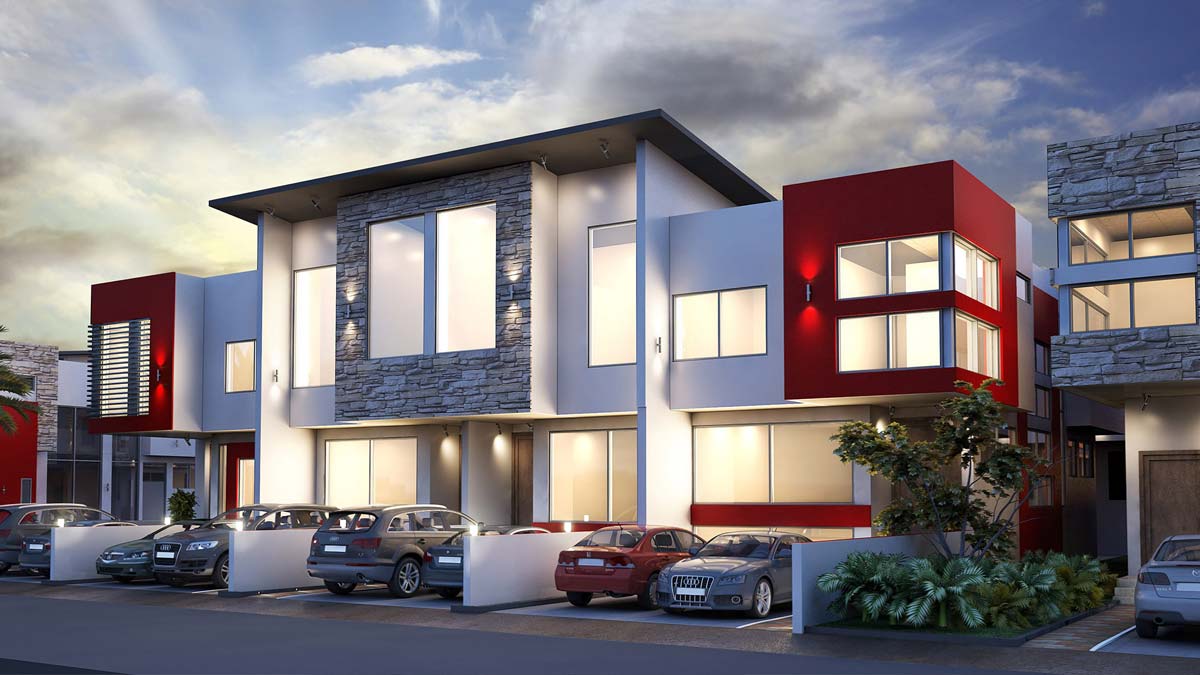
Commercial Real Estate Loans in Salt Lake City, UT
Asset-based lending for retail, office, industrial, and mixed-use commercial properties.
Commercial real estate hard money loans provide Salt Lake City investors and business owners with essential funding for acquiring, refinancing, and improving income-producing commercial properties. These asset-based financing solutions bypass the extensive documentation, lengthy approval processes, and rigid qualification requirements of traditional commercial banking, delivering capital when opportunities demand immediate action. From retail storefronts along State Street to office buildings in downtown Salt Lake City, hard money lenders understand the unique dynamics of commercial real estate investment and structure loans that align with business objectives and property cash flow.
The commercial real estate landscape in Salt Lake City encompasses diverse property types including retail centers, office buildings, industrial warehouses, mixed-use developments, and specialty commercial facilities. Hard money financing serves investors targeting these properties with speed and flexibility that conventional lenders cannot match. Whether acquiring a distressed shopping center for repositioning, purchasing an office building with value-add potential, or refinancing an existing commercial portfolio to access equity, hard money loans provide the capital foundation for successful commercial ventures throughout Utah's thriving business environment.
Utah's robust economy, business-friendly regulations, and strategic location along major transportation corridors create exceptional opportunities for commercial real estate investment. Salt Lake City's position as a regional business hub, combined with strong population growth and diversified industries, supports stable commercial property demand. Hard money lenders specializing in commercial financing bring local market knowledge, property type expertise, and flexible underwriting to each transaction, enabling investors to capitalize on opportunities in established business districts and emerging development areas throughout the metropolitan region.
Applications & Uses
Retail property financing represents a significant segment of commercial hard money lending in Salt Lake City. Investors target neighborhood shopping centers, strip malls, standalone retail buildings, and mixed-use properties with ground-floor commercial space. These acquisitions often involve properties requiring tenant improvements, lease-up efforts, or repositioning strategies that traditional banks view unfavorably. Hard money financing accommodates the transitional nature of retail investments, providing capital for acquisition and improvements while properties stabilize and achieve full occupancy. Loan structures consider projected rental income, tenant credit quality, and local retail market dynamics.
Office building investments benefit from hard money loans when timing is critical or properties require substantial renovation before attracting quality tenants. Salt Lake City's growing professional services sector, technology companies, and financial institutions drive demand for modern office space. Investors acquire older buildings with renovation potential, converting them to contemporary work environments that command premium rents. Hard money financing supports these value-add strategies with construction draw schedules and interest reserves that align with lease-up timelines. Properties in downtown Salt Lake City, suburban office parks, and emerging business districts all qualify for commercial hard money lending.
Industrial and warehouse properties present excellent hard money lending opportunities given Utah's logistics advantages and distribution network centrality. Investors acquire manufacturing facilities, distribution centers, flex buildings, and storage warehouses throughout Salt Lake County and along major transportation corridors. These properties often serve e-commerce companies, manufacturing operations, and regional distribution businesses benefiting from Utah's strategic location. Hard money loans accommodate the specialized requirements of industrial properties including loading docks, ceiling heights, power infrastructure, and environmental considerations that traditional lenders may not understand or finance efficiently.
Mixed-use developments combining retail, office, and residential components require sophisticated financing that hard money lenders are uniquely positioned to provide. These complex properties serve Salt Lake City's growing demand for walkable, live-work-play environments in neighborhoods like Sugar House, Downtown, and emerging urban districts. Hard money financing addresses the multiple income streams, varied tenant types, and development complexities that challenge conventional commercial underwriting. Loans can be structured to accommodate phased development, individual component sales, or long-term hold strategies based on investor objectives and market conditions.
Common Challenges
Commercial hard money loans present distinct challenges that Salt Lake City investors must address strategically. Higher interest costs, typically 11-16%, impact property cash flow and require careful analysis of debt service coverage ratios. Commercial properties must generate sufficient rental income to cover operating expenses, hard money interest payments, and reserves while providing acceptable investor returns. Vacancy risks, tenant credit issues, and market rent fluctuations can quickly erode projected cash flows, making conservative underwriting and substantial equity investment essential for success.
Loan-to-value ratios for commercial properties generally range from 60-70%, requiring larger down payments than residential investments. Commercial property valuations involve complex income capitalization approaches, replacement cost analysis, and comparable sales that can vary significantly based on lease terms, tenant quality, and property condition. Obtaining accurate appraisals and agreeing on property value with hard money lenders requires experienced commercial real estate professionals who understand Salt Lake City's unique market dynamics. Short loan terms of 12-36 months create pressure to complete value-add strategies, achieve stabilization, or refinance into permanent financing before maturity.
Frequently Asked Questions
1.What types of commercial properties qualify for hard money loans?
Hard money loans accommodate diverse commercial property types including retail centers, office buildings, industrial warehouses, flex spaces, mixed-use developments, hotels, motels, self-storage facilities, and specialty commercial buildings. Our lending partners finance stabilized properties with existing cash flow, value-add opportunities requiring renovation or repositioning, and transitional properties between ownership or tenant changes. Properties can be single-tenant or multi-tenant, with loan structures customized to address specific property characteristics and income patterns.
2.How are commercial hard money loans underwritten differently than residential loans?
Commercial underwriting focuses primarily on property income generation rather than borrower personal income. We analyze rent rolls, lease terms, tenant credit quality, operating expense history, and net operating income to determine debt service coverage. Property location, market conditions, and competitive positioning influence loan decisions. While borrower experience and financial capacity are considered, the property itself serves as the primary collateral and income source for loan repayment. This approach enables financing for commercial properties through business entities without personal income verification.
3.What loan-to-value ratios are available for commercial properties?
Commercial hard money loans typically offer loan-to-value ratios of 60-70% depending on property type, location, cash flow stability, and overall transaction strength. Stabilized properties with strong tenant leases and consistent income history may qualify for higher leverage. Value-add properties requiring renovation or lease-up generally receive more conservative leverage reflecting the transitional risk. Loan amounts can range from $200,000 for small commercial buildings to several million dollars for larger retail centers, office buildings, or industrial complexes.
4.Can hard money loans finance commercial properties needing significant renovation?
Yes, commercial hard money loans are particularly well-suited for properties requiring renovation, tenant improvements, or repositioning. We offer construction components within commercial loans, providing draw schedules that release funds as renovation work is completed and inspected. Interest reserves can be established to cover carrying costs during construction and lease-up periods. These features enable investors to acquire distressed commercial properties, complete necessary improvements, and stabilize income before refinancing into permanent financing or selling for profit.
5.What is the typical timeline for closing a commercial hard money loan?
Commercial hard money loans typically close within 14-30 days, though complex transactions or larger loans may require additional time for due diligence, environmental assessments, and property inspections. Preliminary approvals are generally provided within 48-72 hours of receiving complete loan applications and property information. The closing timeline depends on title clearance, appraisal completion, and entity documentation for corporate borrowers. We work closely with borrowers and their legal counsel to expedite the process while ensuring proper due diligence on commercial investments.
Ready to Apply?
Get pre-approved for Commercial Real Estate Loans in as little as 24 hours.
Start ApplicationFinancing Highlights
- Up to 80% LTV
- Interest-only payments
- No prepayment penalties
- Fast closings
Ready to Finance Commercial Real Estate Loans?
Get connected with participating hard money lenders for your Salt Lake City real estate investment.